
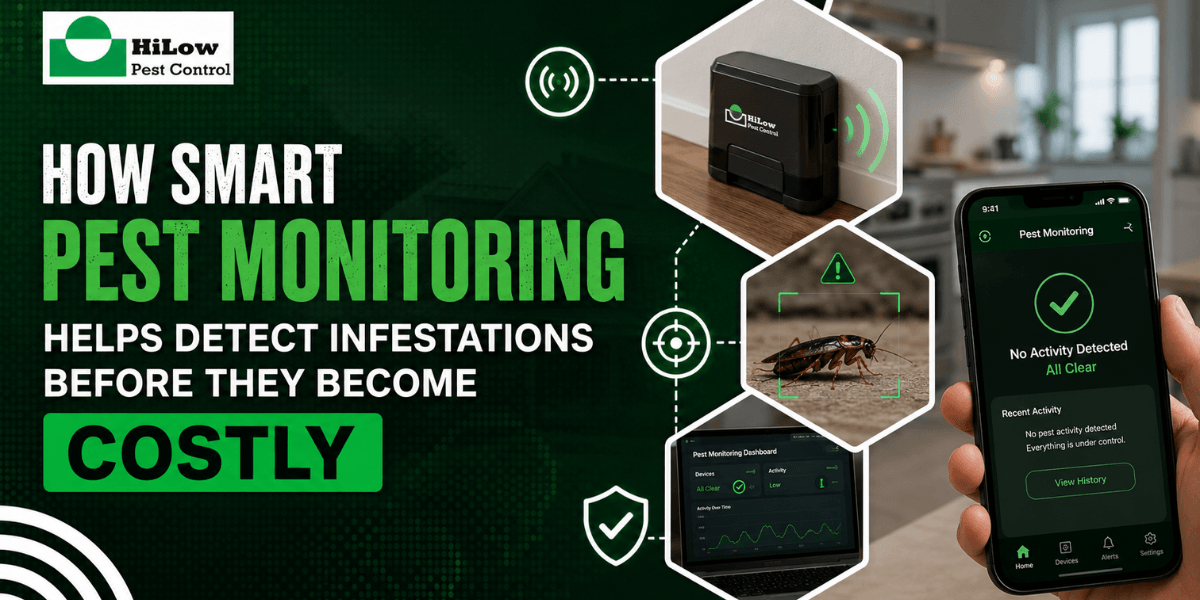
A colony can move into a wall void, a basement corner, or a crawl space and live there for months before a single visible sign gives it away. That silence is the real threat behind every infestation story homeowners tell after the fact. Pest monitoring systems flip that silence into something you can see, using connected sensors that track movement, temperature, and vibration around the clock.
Property owners get a notification the moment something crosses a trap or triggers a sensor, not weeks after the fact once damage has already started. This blog covers how the technology works, what it catches, and why catching pests early saves money and stress.
What Is Smart Pest Monitoring?
Pest monitoring is a way to keep an eye on your property even when no one is physically there to check. Small sensors, connected traps, and simple software work together to watch for pest activity around the clock. A sensor gets placed somewhere pests are likely to pass through, like along a wall or under a cabinet, and it can pick up small details such as movement, a change in vibration, or even the weight of a rodent stepping into a trap. Once it senses something, it sends that information wirelessly to a hub or an app, so property owners and technicians can see exactly what happened and where.
This is different from a normal pest control visit. During most professional pest control services, a technician can only see what is right in front of them on the day they show up, and everything that happens between visits stays a mystery. Pest detection technology fills that gap by keeping watch all the time, so nothing slips by unnoticed for weeks at a stretch, giving property owners a much clearer, more complete picture of what is really going on with pests on a property.
How Smart Pest Monitoring Helps Detect Infestations Early
Early detection is the entire point of this technology, and it works through several coordinated pieces. Here is what typically happens behind the scenes once a system is in place.
-
Continuous Sensor Activity
Sensors placed in key areas run all day and night without needing a person to check them. They detect movement, temperature shifts, and vibration patterns associated with common pests. Because the system never sleeps, small signs of activity get caught before an infestation grows large enough to cause real damage.
-
Real-Time Data Alerts
The moment a sensor detects something unusual, the system sends a notification to the property owner or pest control team. This removes the waiting period between a pest entering a space and someone discovering it. Faster alerts mean faster action, and faster action is what keeps a minor sighting from turning into a bigger job.
-
Motion and Vibration Tracking
Rodents and many insects move in patterns that differ from normal household activity. Sensors trained to recognize these patterns can tell the difference between a pet walking by and a mouse squeezing through a gap in the wall. This accuracy reduces false alarms, so technicians spend their time on real work rather than false leads.
-
Camera-Based Confirmation
Some systems include small cameras that capture an image the moment a trap or sensor triggers. This lets a technician confirm exactly what pest they are dealing with before stepping onto the property. Knowing the species in advance speeds up the treatment plan and helps the technician arrive with the right tools in hand.
-
Cloud-Based Reporting
Every alert, image, and trend gets stored in a dashboard that owners and technicians can review together. Over weeks or months, this record shows patterns, like recurring activity near one entry point, that a single visit would never reveal. That longer view turns scattered data points into a clear picture of where a property is most vulnerable.
-
Automatic Trend Analysis
Software behind these systems compares new activity against past data to flag patterns a person might miss. A slow rise in nighttime sensor triggers can indicate a growing colony before physical damage appears. This turns raw numbers into a useful warning sign long before the problem becomes visible to the naked eye.
Traditional Inspections vs. Smart Pest Monitoring
The table below breaks down how these two approaches compare, side by side, in real-world terms.
| Factor | Traditional Inspections | Smart Pest Monitoring |
| Detection Speed | Once per scheduled visit | Continuous, day and night |
| Response Time | Days to weeks | Minutes to hours |
| Visibility Between Visits | Limited | Full activity history |
| Coverage Area | Areas checked during the visit | Every sensor location, all the time |
| Cost Over Time | Lower upfront, higher if damage occurs | Steady monthly cost, fewer surprise repairs |
| Best Suited For | Light, occasional activity | Early stage and hidden infestations |
Top Benefits of Smart Pest Monitoring for Residential Pest Control
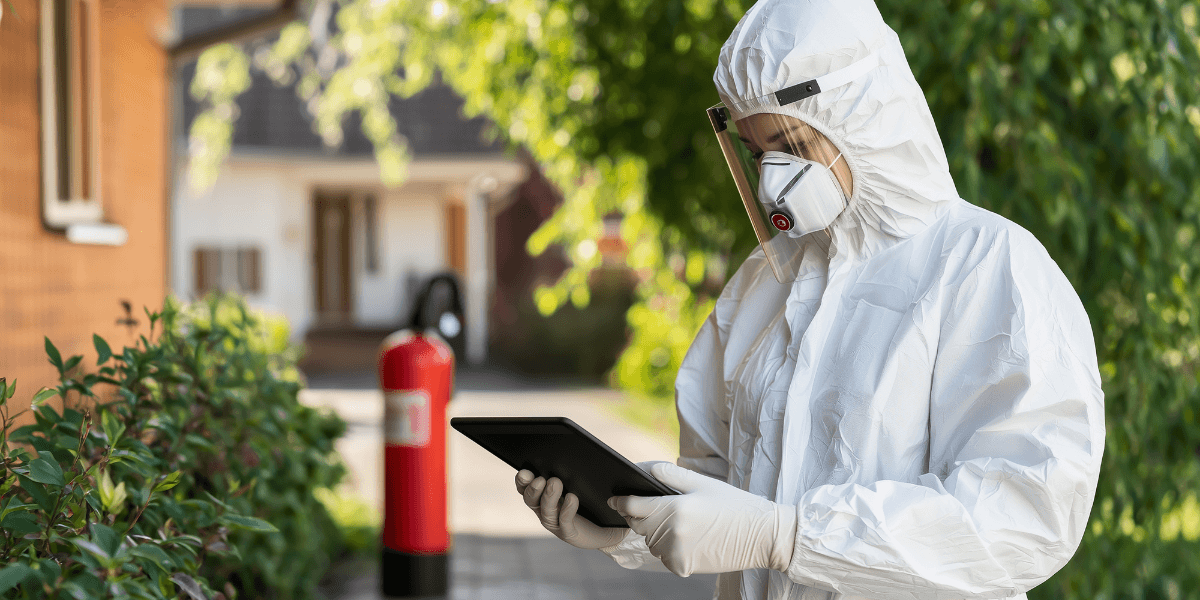
Homeowners get several practical advantages once monitoring becomes part of their pest control plan.
- Lower Long-Term Repair Costs: Small problems caught early rarely turn into structural damage, and early treatment usually costs a fraction of what major repairs do.
- Peace of Mind Around the Clock: Sensors watch your home while you sleep or travel, so you are never left guessing about what happened while you were away.
- Fewer Disruptive Home Inspections: The system flags activity on its own, reducing the need for frequent walkthroughs while keeping protection steady in the background.
- Early Protection for Family Health: Rodents and cockroaches carry bacteria and allergens, so catching activity early limits the extent of exposure a household faces.
- Better Documentation for Home Sales: A recorded history of pest activity, or the lack of it, gives sellers something concrete to show buyers and inspectors.
- Reduced Use of Chemical Treatments: Catching problems early lets technicians use targeted treatments instead of broad chemical applications.
- Fewer Surprises During Seasonal Changes: Monitoring shows real-time shifts in activity, giving homeowners a head start before spring and fall population surges.
Smart Pest Monitoring System for Commercial Pest Management
Businesses face a different kind of pressure. A single sighting in a restaurant, warehouse, or medical facility can affect health inspections, customer trust, and daily operations. Pest detection technology gives property managers reliable coverage across large spaces that would be nearly impossible to inspect by hand every day.
Food service businesses, hotels, and warehouses use sensors placed near loading docks, storage rooms, and other high-risk areas. When a device detects activity, the alert goes straight to the pest control team, and staff can act before the issue reaches a dining room or a product line. Digital reporting also builds a clean record for health inspections, saving time when regulators request proof of an active pest management program.
Why Professional Pest Control Services Still Matter
Technology is great at noticing when something moves, but it does not know what to do next. A sensor can tell you a trap triggered at two in the morning, yet it takes a trained eye to walk the property, find the actual entry point, and figure out why that spot keeps drawing activity in the first place. That is where a real technician earns their keep, turning a data point into an actual fix.
This is really the partnership that works best. The system stays alert around the clock and flags anything unusual, while a licensed expert shows up to confirm the species, apply the right treatment, and check that the fix actually holds. Neither piece does the whole job alone, and that is exactly why pairing the two together gets the best results for a home or business.
Sensors can flag activity, but it takes a real technician to close the gap for good. HiLow Pest Control brings both together, pairing round the clock monitoring with hands-on expertise for the best pest control in Reno. Book us today for protection that never clocks out!
Conclusion
Pest problems rarely start big. They begin with one mouse, one crack in the foundation, or one termite scout looking for a way in, and they grow quietly until someone notices. Pest monitoring systems close that window by watching for activity around the clock and flagging it the moment it happens, turning a quiet problem into an early fix before it ever becomes a costly one.
A quiet problem stays small only when someone catches it in time. HiLow Pest Control brings that kind of attention to every property, offering the best pest control services in Sun Valley, NV. Visit us today for a property that stays one step ahead, always!
Frequently Asked Questions
- What is smart pest monitoring?
It is a system of connected sensors, traps, and software that tracks pest activity in real time. It continuously monitors a property and sends alerts the moment it detects movement associated with common pests.
- How does smart pest monitoring work?
Sensors placed around a property collect data on motion, vibration, and sometimes images, then send it to a hub or app. Property owners and pest control teams can review that activity and past trends together.
- Can smart pest monitoring detect infestations early?
Yes. Because sensors run continuously, they can pick up early signs, like a single mouse triggering a trap, long before an infestation grows large enough to notice on its own.
- Is smart pest monitoring worth the investment?
For most homes and businesses, yes. Ongoing monitoring usually costs far less than repairing structural damage or handling a large-scale infestation after the fact.
- What pests can smart monitoring systems detect?
Rodents like mice and rats are the most common targets, since their movement and weight are easy for sensors to pick up. Many systems also track insects like cockroaches and other crawling pests.