
Let’s be honest, nobody wants to think about pests living in their home. But here is the thing: most dangerous household pests are not the ones you see crawling across your kitchen counter. They are the ones quietly working behind your walls, under your floors, and inside your attic while you go about your day, completely unaware.
The real problem with dangerous pests in your household is not the ones you can see. It is the termite colony quietly feeding on your floor joists for two years. It is the rodent that chewed through a wire inside your wall months ago. By the time most people notice something is wrong, the damage to their property and their health is already done.
This guide covers the most harmful pests in the home environment in 2026, what each one does to your health and your house, and what you should do before the situation gets out of hand.
Why Ignoring Household Pests Is Always a Mistake
Most homeowners only react when the problem becomes obvious. By that point, the infestation has already been growing for weeks or months. Every week of delay increases the final cost and makes the health risks more serious.
Beyond property damage, the health risks from pests are well documented by the CDC, the EPA, and the World Health Organization. Rodents spread Hantavirus and Salmonella. Cockroaches trigger asthma and carry intestinal pathogens. Mosquitoes transmit West Nile Virus and Zika across the United States every year.
The financial angle matters just as much. A termite colony discovered in year one costs far less to treat than the same colony left alone into year three. Delayed treatment almost always multiplies the final bill.
The Most Dangerous Household Pests in 2026
Termites
Termites are the single biggest property threat among all common dangerous house pests. They feed on wood continuously and work from the inside out, which means most homeowners have no idea there is a problem until walls start to buckle or floors begin to soften. The structural damage they cause can compromise load-bearing walls, floor joists, and your home’s foundation.
Each year, termites cause more than $5 billion in property losses throughout the United States, according to Orkin, and the average homeowner spends around $3,000 on repairs per infestation. That figure climbs fast when the infestation goes undetected. Early detection is essential since termite damage is rarely covered under typical homeowners’ insurance policies, and is the only real protection.
If you live in northern Nevada and suspect a termite problem, do not wait. Get professional help for termite control in Reno from HiLow Pest Control before the damage compounds into costly repairs!
Rodents (Rats and Mice)
Rodents are among the most harmful pests in home settings because they attack on two fronts at once. On the health side, rats and mice carry Hantavirus, leptospirosis, rat-bite fever, and Salmonella, all of which can be contracted through contact with their droppings, urine, or saliva. They also bring fleas, ticks, and mites indoors, which triggers a second wave of pest problems.
On the property side, rodents chew through electrical wiring, which is a well-documented cause of residential house fires. They gnaw through insulation and plumbing, contaminate stored food, and nest inside walls, attics, and crawl spaces where they go unnoticed until the damage is already severe. A rodent problem almost never stays small on its own.
Cockroaches
Cockroaches are one of the most well-studied common dangerous house pests in the United States. Both the CDC and the WHO recognize them as carriers of serious bacterial pathogens, including Salmonella, Staphylococcus, and Streptococcus. They have also been directly linked to intestinal illnesses such as dysentery, diarrhea, and typhoid fever.
The National Pest Management Association states that cockroach allergens can be detected in approximately 63% of US homes, rising to 78% to 98% in urban environments. Those allergens are a leading trigger for childhood asthma attacks. Cockroach infestations are not just a cleanliness issue; they are a documented public health concern for American families.
Bed Bugs
Bed bugs are expert hitchhikers that arrive on luggage, secondhand furniture, or clothing without anyone noticing. They establish themselves inside mattresses, box springs, and baseboards before most people realize they are there. Their bites cause itchy welts, rashes, and in sensitive individuals, blistering and secondary infections.
What makes bed bugs especially damaging is the psychological toll they take. A peer-reviewed study in BMJ Open found that bed bug infestations were strongly associated with anxiety symptoms and sleep disturbance, with exposed individuals nearly five times more likely to experience significant sleep disruption. Once they become established, removing them can be very challenging without professional treatment, and over-the-counter products almost never fully resolve the problem.
Fleas, Mosquitoes, and Venomous Spiders
Fleas are not just a pet problem; they carry murine typhus, can transmit tapeworm larvae to humans who accidentally ingest them, and their eggs settle deep into carpets and bedding, where regular cleaning does not reach. Female fleas lay eggs continuously, so a small infestation can grow faster than most people expect.
Mosquitoes are responsible for more human illness than any other animal on the planet. West Nile Virus is the leading mosquito-borne disease in the contiguous United States, with over 2,000 diagnosed cases recorded annually and more than 1,300 people developing severe neurological illness each year. Backyard mosquito populations are a genuine public health risk, not just a seasonal nuisance.
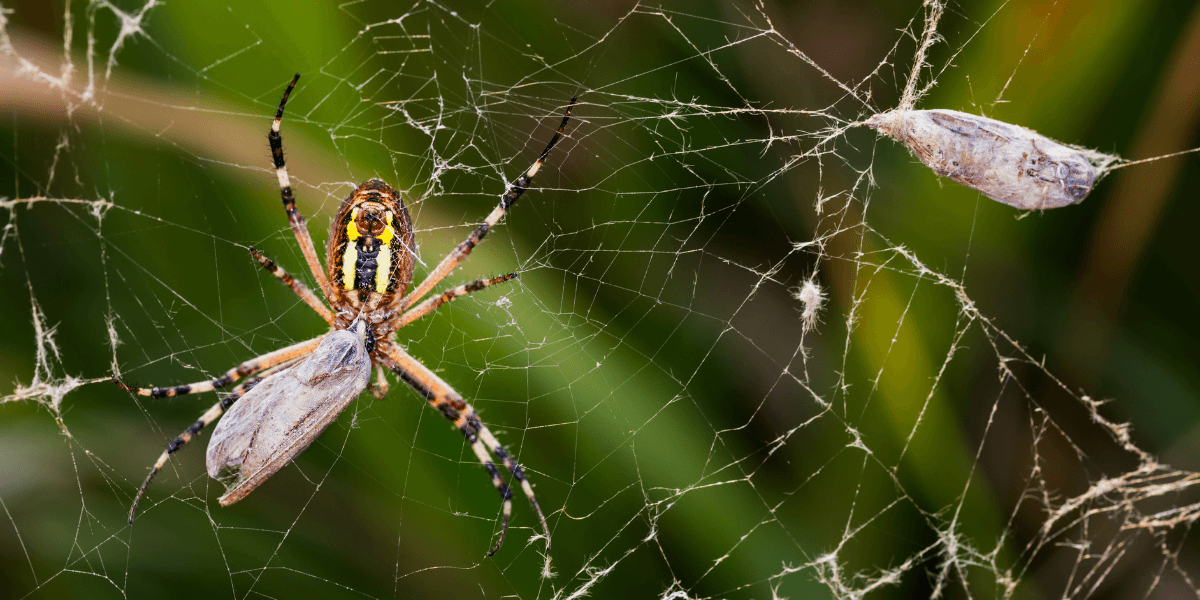
Venomous spiders are often overlooked in discussions of home pests, but they deserve attention. Black widow spider venom affects the nervous system, causing severe muscle pain and spasms. Brown Recluse bites cause tissue necrosis and deep wounds that are slow to heal. Both species hide across the US in garages, basements, and undisturbed storage areas.
Pest Danger Reference Table
Pest |
Health Risk |
Property Damage |
Removal Difficulty |
| Termites | Low (indirect) | Severe | High |
| Rats and Mice | High | High | Moderate |
| Cockroaches | High | Moderate | Moderate |
| Bed Bugs | Moderate | Moderate | Very High |
| Fleas | Moderate | Low | Moderate |
| Mosquitoes | High | Low | Moderate |
| Black Widow / Brown Recluse | High | Low | Low |
| Carpenter Ants | Low | High | Moderate |
How to Protect Your Home
Prevention is always cheaper than treatment. These steps make a real difference:
- Seal cracks in walls, foundations, and around utility entry points
- Place all food in airtight storage containers and promptly take out trash regularly
- Fix leaky pipes and faucets, since moisture attracts nearly every pest on this list
- Keep woodpiles away from the exterior of your home
- Trim trees and shrubs that make contact with your roof or walls
- Schedule an annual professional pest inspection, especially for termites
Small, consistent habits are what keep dangerous household pests from getting a foothold in the first place, before they begin to infest. However, if you are already suffering from an infestation, there is no need to worry. HiLow Pest Control provides trusted pest control services in Reno, NV, that homeowners rely on for fast, thorough results. Call today to schedule your inspection and protect your home before the damage gets worse!
Frequently Asked Questions
What are the most dangerous household pests for human health?
Rodents, cockroaches, and mosquitoes consistently top the list. Rodents spread Hantavirus and Salmonella. Cockroach allergens are a significant cause of childhood asthma, and mosquitoes transmit West Nile Virus and Zika across the United States.
How do I know if I have termites in my home?
Look for hollow-sounding wood when tapped, mud tubes along your foundation, discarded wings near windows, and bubbling paint with no nearby water source. Annual professional termite inspections are the most reliable way to catch a problem early.
Are pests a risk for renters as well as homeowners?
Yes, Cockroaches, bed bugs, rodents, and fleas affect rented and owned properties equally. If you are a renter, document signs of infestation and notify your landlord in writing, since most US states legally require landlords to address pest problems.
Can I remove bed bugs on my own?
Rarely with lasting success. Bed bugs hide deep inside mattresses and walls, and most over-the-counter sprays cannot reach them. Heat treatment performed by professionals offers the most reliable solution available.
How often should I have my home inspected for pests?
Once a year at minimum, with termite-specific inspections strongly recommended for wood-frame homes. After any previous infestation, quarterly check-ins are a smart investment to confirm it has not returned.
Final Thoughts
Here is something worth sitting with: the most destructive pests in your home right now are probably ones you have not seen yet. They are not waiting for a convenient time, and they are certainly not slowing down on their own.
Every month a termite infestation goes untreated, more structural wood is gone. Every week,k a rodent nests inside your walls, and more wiring is at risk. Every day, cockroaches move freely through your kitchen, and your family’s health is on the line.