
You sealed the gaps last autumn. You put down traps in winter. You thought you had it covered. Then spring arrived, and so did the ants, the wasps, and what felt like every rodent within a two-mile radius. Sound familiar?
Pest control is not a one-time job. It is a year-round commitment, and the homeowners who stay pest-free understand one simple thing: every season brings a completely different threat. This seasonal pest control guide breaks down exactly which pests are most active throughout the year, what triggers them, and how to stay ahead of every wave before it reaches your front door.
Why Pest Activity Changes With the Seasons
Pests are cold-blooded, meaning their behavior is governed directly by the environment. When temperatures rise, breeding accelerates and foraging increases. When it drops, many species seek warmth inside buildings rather than going dormant.
The main drivers behind seasonal pest activity are temperature, rainfall, daylight hours, and food availability. Warmer conditions speed up breeding cycles. Rainfall creates standing water, which becomes a breeding ground for mosquitoes and flies. Longer days push insect activity outdoors, and harvest seasons attract rodents to residential properties. Understanding this pattern is the first step to building a reliable annual pest control schedule for your home.
Pest Activity By Season: A Month-by-Month Breakdown
Spring (March to May): The Season of Emergence
Spring marks the peak season for pest control services. As temperatures climb, dormant colonies wake up, eggs hatch, and pests begin moving indoors in search of food and moisture. What was a quiet home in February can feel entirely different by April.
Common Seasonal Pests in the Home During Spring:
- Ants send scouts indoors through tiny cracks, searching for food and nesting sites as colonies wake up
- Termites begin swarming as warming soil triggers new colony formation; the National Pest Management Association estimates termites cause $6.8 billion in annual property damage, rarely covered by home insurance.
- Wasps and hornets emerge and begin building nests under eaves, behind cladding, and in wall voids.
- Ticks become active and pose serious health risks, including illnesses such as Lyme disease and Rocky Mountain spotted fever, as confirmed by the CDC.
In spring, inspect your home perimeter for cracks around pipes and window seals. Clear gutters, remove standing water, check loft spaces for termite mud tubes, and cut back any shrubs touching exterior walls.
Summer (June to August): Peak Pest Season
Summer brings peak pest activity. Heat and humidity create ideal breeding conditions, and open doors and windows, as well as outdoor dining, make it easier for pests to get inside.
Mosquitoes breed in as little as half an inch of standing water and can transmit West Nile virus. Wasps reach maximum colony size by late summer and turn aggressive. Bed bugs spread through hotels and luggage during the travel season. Cockroaches thrive in warm, humid kitchens. Rodents begin scouting for entry points as outdoor food sources dry up in late summer.
Empty birdbaths and plant pots weekly, secure outdoor bins with tight lids, check suitcases after travel, and repair window screens before temperatures peak.
Autumn (September to November): The Rodent Invasion Window
As temperatures drop, pests shift from breeding to survival. This is the most critical period for rodent control, as mice and rats seek warmth and shelter inside properties. A single mouse can fit through a gap no wider than a pencil and breed year-round once inside.
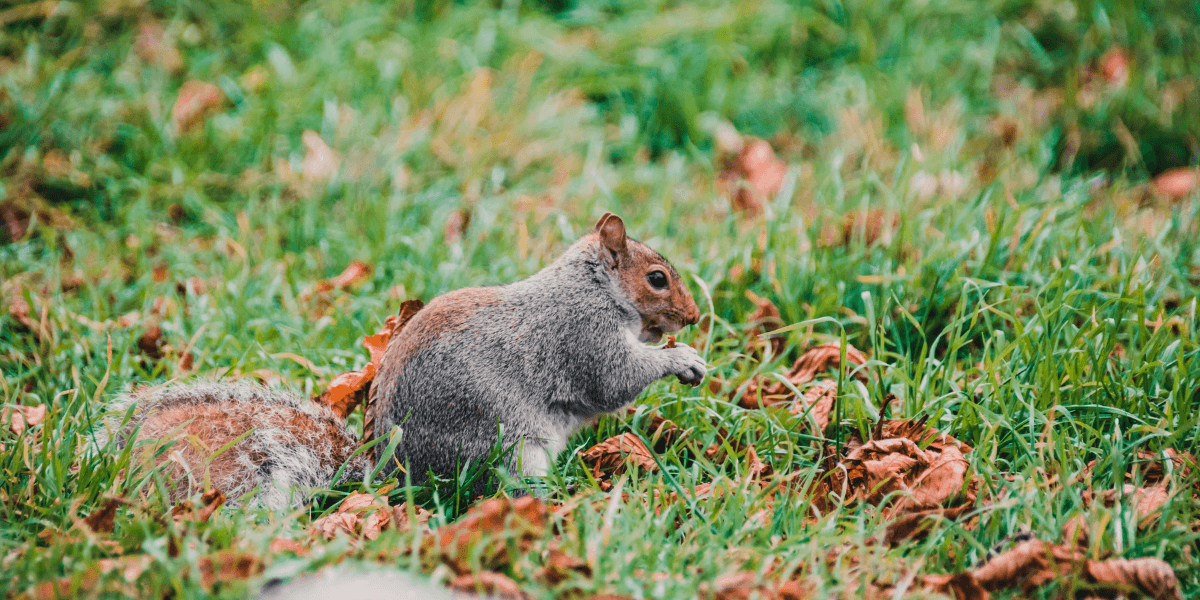
Spiders enter homes seeking warmth and signal an underlying insect population. Cluster flies overwinter in loft spaces in large numbers. Squirrels begin food-storing and push through loose roof tiles or damaged fascia boards to access roof spaces.
Seal all gaps around pipes, cables, and vents with steel wool or exterior caulk. Check roof spaces and eaves for nesting material. Store firewood away from external walls and clear fallen leaves from against the building.
Looking for a trusted exterminator in Reno, NV? Contact HiLow Pest Control today and let our experts handle the job properly!
Winter (December to February): The Overwintering Threat
Many homeowners assume pests go quiet in winter. They do not. Pests that entered in autumn are now established indoors, feeding and breeding throughout the coldest months, often undetected until the problem is serious.
Rodents remain active year-round once inside a property. Cockroaches thrive in heated kitchens and boiler rooms. Bed bugs breed without interruption thanks to central heating. Stored product insects, including moth larvae and grain beetles, quietly damage food stocks in cupboards.
Inspect behind appliances and under sinks for droppings. Check food packaging for damage. Set monitoring traps along skirting boards. Book a professional inspection before spring to catch problems while they are still manageable.
Seasonal Pest Breakdown at a Glance
Season |
Key Pests |
Priority Actions |
| Spring | Ants, termites, wasps, and ticks | Seal entry points, clear gutters, and check for termite swarms |
| Summer | Mosquitoes, wasps, bed bugs, cockroaches | Remove standing water, secure food waste, and screen windows |
| Autumn | Rodents, spiders, cluster flies, squirrels | Block gaps, check roof spaces, and clear garden debris |
| Winter | Rodents, cockroaches, bed bugs, stored product insects | Monitor traps, inspect food storage, and conduct professional inspections |
The 2026 Pest Forecast
Based on current climate patterns and 2026 pest trend data from PestWorld, this year is set to be particularly active. Warmer and wetter springs are triggering earlier termite swarming and accelerating ant colony growth. Higher rainfall is creating more standing water and greater mosquito pressure throughout the summer. Milder winters have allowed larger pest populations to overwinter, resulting in above-average colony sizes this spring. Wasps and hornets are also emerging earlier and building larger nests than in previous years.
The message for 2026 is clear: start your seasonal pest control program earlier than you think you need to, because by the time signs appear, a significant population is likely already established.
Top Prevention Tips for Year-Round Pest Control
A proactive approach is always cheaper and less disruptive than dealing with an active infestation of seasonal pests in your home. According to the EPA, hiring a pest management professional is the most effective long-term strategy, combining physical prevention, habitat management, and targeted professional treatment.
Core prevention habits every homeowner should follow:
- Seal every gap around doors, windows, pipes, air vents, and roof edges
- Manage moisture by fixing leaks, clearing drains, and ventilating damp spaces
- Store food in airtight containers and use locking lids on outdoor bins
- Keep the garden tidy by removing log piles and leaf litter near the house
- Book an annual professional inspection to catch problems before they grow
Rodent Control: A Year-Round Priority
Rodents are among the few pests that remain active in every season. Mice and rats do not hibernate. Once inside a property, a single pair can produce up to 60 offspring a year, turning a small autumn problem into a full infestation by January.
The health risks are well-documented. The CDC identifies rodents as primary carriers of Hantavirus, a life-threatening respiratory disease transmitted through droppings, urine, and nesting material. Rodents also spread Salmonella by contaminating food surfaces, and gnaw through electrical wiring, which is a leading cause of house fires in properties with undetected infestations.
Warning signs include dark droppings along skirting boards, gnaw marks on packaging or cables, scratching sounds at night from walls or ceilings, and a persistent musty smell in enclosed spaces. Do not wait if you notice any of these signs. Book a service with HiLow Pest Control today for fast, effective control services for rodents in Reno, NV, that get results the first time.
Conclusion
Pests do not take a break, and your approach to keeping them out should not either. Every season brings a different wave of threats, and the homeowners who manage it well are the ones who plan ahead rather than react once the damage is already visible.
A consistent seasonal pest control routine does not need to be complicated. Understand what is coming each season, take the right preventive steps at the right time, and bring in a professional the moment something feels beyond routine management. Small actions taken early make a genuine difference. That disciplined, forward-thinking approach is what separates a genuinely pest-free home from one that is constantly reacting to the next outbreak.
FAQs
What are the most common seasonal pests in the home?
Seasonal pests shift throughout the year. Spring brings ants, termites, and wasps. Summer peaks with mosquitoes, bed bugs, and cockroaches. Autumn is prime rodent season, and winter sees established rodents and cockroaches active indoors. A year-round plan addresses all of them.
How do I build an annual pest control schedule?
Cover spring termite inspections, summer standing water removal, autumn rodent-proofing, and winter indoor monitoring. Back the routine up with at least one professional inspection per year for complete coverage.
When is pest activity most dangerous?
Autumn is most critical because rodents entering the home pose both health and structural risks. Spring termite swarms and summer mosquitoes also carry serious consequences. Every season carries its own specific threat.
Can I manage seasonal pest control myself?
Basic prevention is manageable independently. However, active infestations involving rodents, termites, wasps, or bed bugs should always be handled by a licensed professional, as DIY treatments rarely address the root cause.
How much does professional pest control cost?
Costs depend on the type of pest, the size of the infestation, and the property. Most companies offer a free initial inspection. HiLow Pest Control provides competitive pricing, flexible service plans, financing options, and a satisfaction guarantee on all treatments.