
If you’ve noticed mosquitoes seem particularly relentless this year, you’re not alone. The mosquito problem in 2026 is hitting homeowners harder than ever, and there are solid reasons behind the surge. From changing climate patterns to extended breeding seasons, multiple factors are converging to create the perfect storm for mosquito populations across the country. Understanding what’s happening can help you take control of your yard and protect your family from these persistent pests.
Mosquitoes aren’t just annoying; they’re vectors for serious diseases, and the more of them buzzing around your property, the higher your risk. The good news? You can fight back once you understand what you’re dealing with.
Why Are Mosquitoes Increasing in 2026?
So what’s driving the surge? The answer involves several interconnected factors that have aligned to create ideal conditions for mosquito reproduction and survival.
The environmental conditions we’re experiencing this year are creating a perfect breeding ground for these insects. Temperature fluctuations, increased humidity levels, and altered precipitation patterns are all contributing to the amplification of mosquito populations. When you combine these factors with human behavior and urban development patterns, you get a recipe for explosive mosquito growth.
Climate and Weather Patterns
Weather patterns in 2026 have been markedly different from previous years. Warmer temperatures that extend earlier into spring and last longer into fall create extended periods when mosquitoes thrive. These insects are cold-blooded, meaning their activity and reproduction rates are directly tied to temperature. Warmer conditions mean faster development cycles, which translates to more generations of mosquitoes per season.
Additionally, erratic rainfall patterns have created ideal moisture conditions in many regions. Heavy rains and warm spells create standing water, ideal for mosquito larvae. Even small puddles, clogged gutters, and neglected bird baths can become breeding factories.
Extended Breeding Seasons
Here’s something many homeowners don’t realize: why mosquitoes are increasing isn’t just about populations within a single season. The breeding season itself is getting longer. Mosquitoes that would typically die off in late fall are now surviving into early winter in many areas because temperatures remain elevated for longer periods.
This extended season means multiple generations of mosquitoes emerge throughout the year. A female mosquito can lay hundreds of eggs, leading to quick growth in their population. By summer’s peak, your neighborhood could be dealing with populations that are three or four times larger than they were a decade ago.
Understanding the Causes of Mosquito Infestation in Your Home Environment

Your property itself might be contributing to the problem without you realizing it. The causes are often rooted in conditions we create around our homes through standing water and inadequate yard maintenance.Mosquitoes require minimal resources: water, warmth, and shelter. Let’s identify the main breeding sites on your property.
Standing Water and Breeding Grounds
Standing water is the enemy; female mosquitoes lay eggs there, and larvae develop into adults. Common breeding grounds include:
- Birdbaths that aren’t changed regularly
- Clogged gutters and downspouts
- Plant saucers and flower pots
- Neglected swimming pools or hot tubs
- Tarps or containers that collect rainwater
- Poorly graded areas where water pools after rain
- Pet water bowls left outside
Standing water, even in tiny amounts, can serve as a breeding ground for mosquitoes. Ensure these sources are eliminated or properly managed. Change birdbath water every few days, clean gutters regularly, and ensure your yard has proper drainage so water doesn’t collect.
Warm Temperatures and Humidity
Mosquitoes thrive in warm, humid conditions beyond standing water. If your yard has dense vegetation, shaded areas, or poor air circulation, you’re creating a mosquito haven. They rest in tall grass, under bushes, and in dense plant growth during the day, emerging at dawn and dusk to feed.
Areas with significant tree coverage or dense landscaping provide shelter that allows mosquitoes to survive and proliferate. This doesn’t mean you should remove all vegetation, but strategic pruning and maintaining clear areas can reduce mosquito populations.
The Mosquito Problem in 2026: What’s Different This Year?
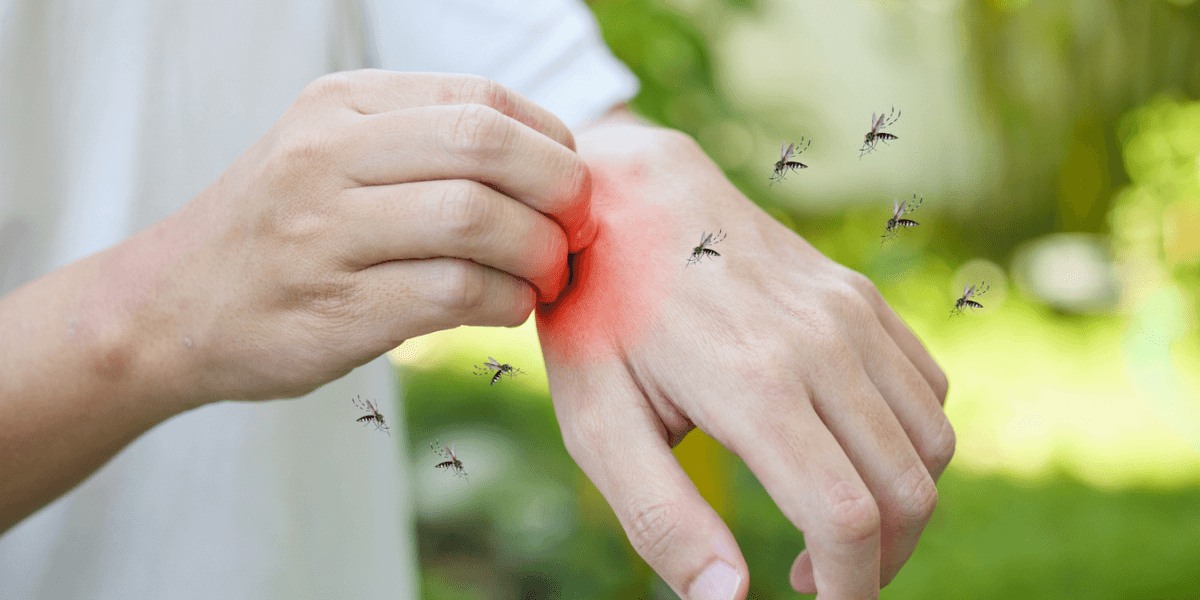
The problem in 2026 represents a perfect storm of conditions that amplify what we already know about mosquito behavior. Scientists and pest management professionals are seeing activity levels that exceed historical records in many areas.
What makes this year particularly challenging is the simultaneous combination of climate factors. We’re not just dealing with one element; it’s the convergence of warm winters that reduce die-off rates, spring precipitation that creates breeding grounds, summer heat that accelerates development cycles, and extended fall temperatures that allow continued reproduction.
Increased Activity and Population Density
You might notice mosquitoes are active at different times than you remember from previous years. Extended seasons mean they’re around earlier in spring and later in fall. During peak season, population densities in some neighborhoods have reached levels that make outdoor activities genuinely difficult.
This isn’t hyperbole; some homeowners report they can’t enjoy their yards during traditional evening hours without protective measures. Mosquito activity that used to be manageable is becoming a genuine quality-of-life issue for many families.
Practical Strategies You Can Implement
Now that you understand the problem, let’s discuss solutions. Mosquito control at home doesn’t require complicated procedures. You can significantly reduce populations through consistent, targeted efforts.
These strategies work best when implemented together. A multi-pronged approach that addresses water sources, vegetation, and personal protection will give you the best results.
Environmental Modifications
Start by eliminating breeding sources on your property. Walk your yard and identify every potential water collection point. Drain, drain, drain, that’s your mantra. Fix gutters, ensure proper drainage, and use mosquito dunks or Bti in any remaining water sources. This biological control targets mosquito larvae without harming beneficial insects.
Trim vegetation, especially around the perimeter of your yard and near seating areas. Keep grass cut short, prune bushes up from the ground to increase air circulation, and remove debris where mosquitoes shelter.
Consider installing a fan in your outdoor seating area. Mosquitoes are weak fliers, and moving air disrupts their ability to fly effectively.
Personal Protection Methods
While you’re addressing environmental factors, protect yourself and your family from bites:
- Use mosquito repellent containing DEET, picaridin, or oil of lemon eucalyptus when spending time outdoors
- During peak mosquito activity periods like sunrise and sunset, opt for lightweight, long-sleeved, light-colored attire.
- Stay indoors during peak feeding times when possible
- Install or repair screens on doors and windows to prevent indoor mosquitoes
- Use mosquito netting over outdoor seating areas if you have one
When to Call for Professional Help
Even after trying all these methods, there are times when the infestation is too intense to manage on your own. If mosquitoes still swarm your yard despite your efforts, it’s advisable to seek professional help.
A qualified exterminator in Reno, NV understands the specific challenges your region faces and can implement targeted treatment plans. Connect with HiLow Pest Control for expert assessment and solutions that go beyond typical homeowner treatments. We identify missed breeding sources and use safe, professional-grade treatments.
FAQs
1. Why are mosquitoes so much worse this year compared to previous years?
The 2026 mosquito surge is driven by climate change, with warmer winters and erratic rainfall increasing populations and extending the season. Faster development leads to more generations, making 2026 a challenging year for mosquito control.
2. How long does the mosquito season last in 2026, and when is it worst?
The 2026 mosquito season is notably prolonged, beginning earlier in spring and extending into fall because of warmer weather. Homeowners are advised to start control measures earlier and continue them for a longer duration, as peak mosquito activity now spans an extended period, a unique aspect of this year’s mosquito situation.
3. What’s the fastest way to reduce mosquitoes on my property?
Eliminate standing water, mosquito breeding sites such as birdbaths, clogged gutters, and low-lying pools, and thoroughly drain or clean these areas. Trim vegetation such as bushes and tall grass where mosquitoes rest during the day. Use outdoor fans and mosquito repellent. If issues persist in a week or two, consult a pest control professional for targeted treatments.
4. Are there natural or non-chemical ways to control mosquitoes around my home?
Natural methods reduce mosquitoes: Bti targets larvae in standing water without harming beneficial insects or pets. Mosquito dunks treat water sources. Citronella, lavender, and lemon eucalyptus oil help deter mosquitoes. Combining methods with environmental changes or professionals enhances effectiveness.
5. When should I call a professional mosquito control service instead of trying to handle it myself?
If mosquitoes remain after two weeks of removing standing water, trimming vegetation, and using repellents, call a professional. Experts use advanced treatments and local knowledge to identify missed breeding sites and develop plans. In Reno, NV, a service provides solutions crucial to vulnerable groups, such as children and the elderly.
Final Thoughts
The mosquito issue in 2026 is real but manageable with awareness and proactive steps. Knowing the reasons behind the increase in mosquitoes allows you to implement targeted protections for your property. By directly addressing the causes of infestation and maintaining regular mosquito-control routines at home, you can significantly enhance your outdoor environment.
Don’t accept mosquito-infested yards as inevitable. Start with environmental changes, stay consistent, and seek professional help when needed. If you’re located in Reno, Nevada, and find that the infestation persists despite your efforts, our mosquito control service in Reno, NV, at HiLow Pest Control can provide the expertise and professional treatments needed to reclaim your yard.
We know that your family deserves to enjoy your home and yard without constant mosquito concerns. With the right approach, 2026 can be the year you finally win back your outdoor space!